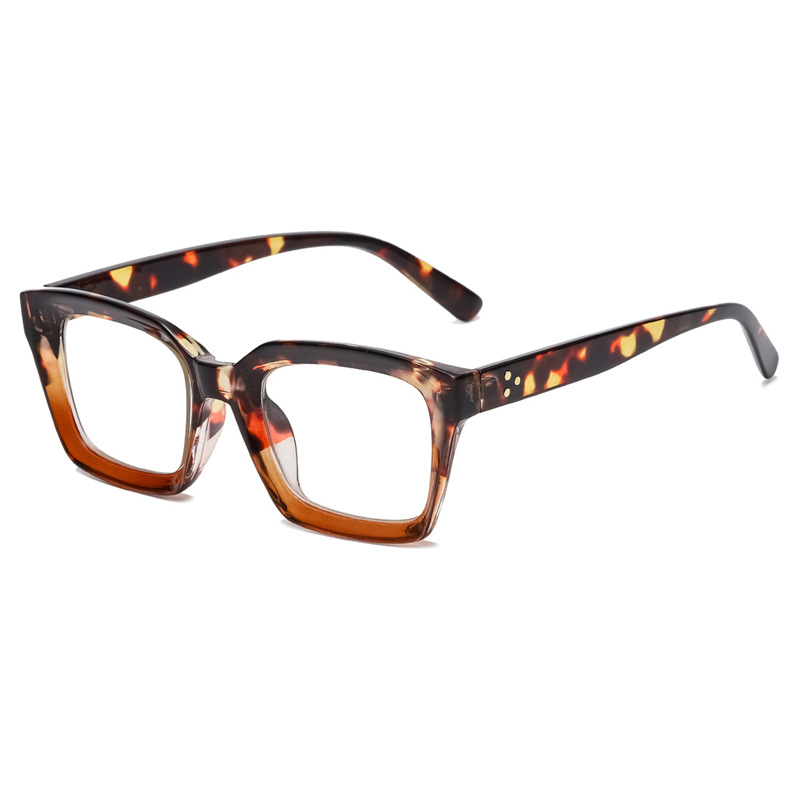
I used to believe these myths about computer reading glasses. Many people fall for them. These false ideas can lead you to buy the wrong product. They can make your eyes tired or even waste your money. But don't worry, I am here to tell you the truth. Here's what they don't tell you about picking the right presbyopia eyeglasses for your screen time. It's time to open your eyes to the facts.
Understanding the real deal about your eyewear means you can:
Many people think that if the diopter strength is right, all glasses are alike. They believe a cheap pair will work just as well as a more expensive one. They might see a deal online and think, "Why pay more?"
Here's what they say (the myth in action): "I bought super cheap computer reading glasses. They broke in a month. The lenses scratched easily too. My eyes still felt tired after long hours on the screen. It was a total waste." This happens when quality is ignored. Cheap glasses often use weak frames and low-grade lenses. They might not even offer real blue light protection or clear vision.
Let me tell you the truth: Quality matters a lot. Good computer reading glasses are made with durable materials. They have special lenses that are truly high-definition and resist scratches. These lenses also filter harmful blue light effectively. When you choose quality, you choose comfort and lasting performance. You choose a product that actually helps your eyes.
Think about the overall experience. Real users say things like, "The staff was very nice and welcoming. Very satisfied with the whole experience. 😊" This kind of feedback doesn't just happen with cheap, low-quality products. It comes from brands that care about every part of your experience, including the quality of their items.
Verdict: Don't just look at the price tag. Look for indicators of quality materials and clear lens technology. A slightly higher price often means better durability and eye protection.
A common mistake is thinking your regular reading glasses are fine for staring at a computer screen. People often grab any pair they have lying around for close-up work, without thinking about the specific needs of digital screens.
Here's what they say (the myth in action): "I just use my regular reading glasses for my laptop. My eyes feel so strained by the end of the day, and I get headaches. I don't get why, they're the right strength." This shows a lack of understanding about specialized eyewear. Regular reading glasses are for reading a book at a certain distance. Computer screens sit at a different, usually further, distance. They also emit blue light that regular lenses don't block.
Let me tell you the truth: Computer reading glasses are designed for a specific distance. This is the distance you usually sit from your computer monitor. They also often come with features like blue light filtering and anti-glare coatings. These special features protect your eyes from the unique challenges of digital screens. They reduce glare and block harmful blue light. This helps prevent digital eye strain, blurry vision, and headaches.
A brand that pays attention to your specific needs is a good sign. When customers say, "The doctor actually remembers me and is genuinely concerned for her patients," it highlights a commitment to finding the right solution for each person's vision needs. This caring approach extends to offering specialized products like specific glasses for computer use.
Verdict: Always choose specialized computer reading glasses. They offer the right focal distance and lens technology to truly protect your eyes from digital strain.